Household Chores List: How to Divide Tasks Fairly
Get a complete household chores list organized by frequency, plus strategies for dividing tasks fairly among family members. Learn how to manage the mental load and keep your home running smoothly.
The Mental Load Problem
Before we get to the chores list, let's address the real issue: the mental load.
The mental load is the invisible work of managing a household—remembering that the dog needs flea medication, noticing the toilet paper is running low, knowing that the kids need new shoes. It's not just doing the chores; it's thinking about, planning, and delegating them.
In most households, this mental load falls disproportionately on one person. They become the "household manager" by default, even if actual chores are split. This is exhausting and breeds resentment.
A good chores system addresses both the visible work (vacuuming, dishes) and the invisible work (noticing, planning, tracking).
Why Fair Distribution Matters
Unequal chore distribution causes real problems:
- Resentment builds: The person doing more eventually burns out
- Relationships suffer: Chore conflicts are among the top relationship stressors
- Standards clash: One person's "clean" is another's "good enough"
- Modeling matters: Kids learn household responsibilities from what they see
Fair doesn't always mean 50/50. It means equitable based on circumstances—work schedules, physical ability, preferences, and other contributions to the household.
Complete Household Chores List by Frequency
Here's a comprehensive list of household tasks organized by how often they typically need to be done:
Daily Tasks
These tasks need attention every day to keep the household functional:
| Task | Time | Notes |
|---|---|---|
| Make beds | 5 min | Each person makes their own |
| Wash dishes / Load dishwasher | 15-20 min | After each meal |
| Wipe kitchen counters | 5 min | After cooking |
| Sweep kitchen floor | 5 min | As needed after cooking |
| Take out trash | 5 min | When full |
| Sort mail | 5 min | Prevent pile-up |
| Pick up clutter | 10 min | Return items to their place |
| Feed pets | 5 min | Morning and evening |
| Quick bathroom wipe-down | 5 min | Sink, mirror, toilet |
Total daily time: 60-75 minutes (divided among household members)
Weekly Tasks
These tasks keep the home clean and organized on a weekly rotation:
| Task | Time | Notes |
|---|---|---|
| Vacuum all floors | 30-45 min | All carpeted areas |
| Mop hard floors | 20-30 min | Kitchen, bathrooms, entryway |
| Clean bathrooms thoroughly | 20-30 min per bathroom | Toilet, shower, sink, floor |
| Change bed linens | 15 min per bed | Wash and remake |
| Dust surfaces | 20-30 min | Furniture, shelves, decor |
| Clean mirrors | 10 min | All mirrors in the house |
| Grocery shopping | 60-90 min | Including list prep and put-away |
| Meal planning | 20-30 min | Plan and prep shopping list |
| Laundry (wash, dry, fold, put away) | 60-90 min | Multiple loads |
| Take out recycling | 10 min | If weekly pickup |
| Water houseplants | 10 min | Check soil moisture |
| Wipe kitchen appliances | 15 min | Microwave, stovetop, fridge handles |
Total weekly time: 5-7 hours (divided among household members)
Biweekly Tasks
These tasks need attention every two weeks:
| Task | Time | Notes |
|---|---|---|
| Clean inside microwave | 10 min | Steam clean method |
| Wipe cabinet fronts | 15 min | Kitchen and bathroom |
| Vacuum upholstered furniture | 15 min | Sofas, chairs, cushions |
| Clean light switches and door handles | 10 min | High-touch surfaces |
| Wash towels and bath mats | 30 min | Including drying time |
| Clean pet areas | 20 min | Beds, crates, litter boxes (deep clean) |
Monthly Tasks
These keep your home in good shape over time:
| Task | Time | Notes |
|---|---|---|
| Clean refrigerator | 30 min | Remove expired items, wipe shelves |
| Clean oven | 30-45 min | Self-clean cycle or manual |
| Wash windows (interior) | 30-60 min | All accessible windows |
| Vacuum vents and air returns | 15 min | HVAC efficiency |
| Deep clean one room | 60-90 min | Rotate through rooms |
| Check smoke/CO detectors | 10 min | Test batteries |
| Clean washer and dryer | 20 min | Run cleaning cycle, clean lint trap |
| Wipe baseboards | 30 min | Whole house |
| Clean garbage cans | 15 min | Rinse and sanitize |
| Organize one problem area | 30-60 min | Junk drawer, closet, pantry |
Seasonal Tasks (Every 3-6 Months)
These are bigger projects done a few times a year:
| Task | Frequency | Notes |
|---|---|---|
| Deep clean carpet / rugs | 2x year | Rent cleaner or hire service |
| Clean windows (exterior) | 2x year | Spring and fall |
| Clean gutters | 2x year | Before rainy season |
| HVAC filter replacement | Every 1-3 months | Check manufacturer recommendation |
| Flip/rotate mattresses | 2x year | Extends mattress life |
| Clean behind large appliances | 2x year | Fridge, stove, washer |
| Organize closets | 2x year | Seasonal clothing rotation |
| Deep clean garage | 1-2x year | Declutter and organize |
| Pressure wash exterior | 1x year | Driveway, deck, siding |
| Clean dryer vent duct | 1x year | Fire prevention |
| Check for home maintenance needs | 4x year | Caulking, paint touch-ups, etc. |
How to Divide Chores Fairly
Now that you know what needs to be done, here's how to divide it equitably:
Strategy 1: The Full List Audit
- Write down every single household task (use the list above as a starting point)
- Estimate time for each task
- Note who currently does each one
- Total up the time per person
- Redistribute until hours are roughly equal
This audit often reveals surprising imbalances. One person may be doing 80% of the household work without anyone realizing it.
Strategy 2: Divide by Preference
Some people hate certain chores but don't mind others:
- One person hates dishes but doesn't mind laundry
- The other person is the opposite
Let each person claim tasks they find least objectionable. Divide the remaining tasks nobody wants.
Strategy 3: Divide by Area
Assign ownership of spaces:
- Person A: Kitchen and living room
- Person B: Bathrooms and bedrooms
- Shared: Common tasks like trash and grocery shopping
Area ownership includes both daily maintenance and deep cleaning of that space.
Strategy 4: Divide by Time of Day
- One person handles morning tasks (make beds, breakfast dishes, pet feeding)
- Other person handles evening tasks (dinner, kitchen cleanup, tidying)
- Weekend tasks are divided separately
Strategy 5: Rotate Everything
Create a rotation where tasks switch weekly or monthly:
- Week 1: Person A does bathrooms, Person B does floors
- Week 2: Switch
Rotation ensures no one is stuck with the worst jobs forever and everyone learns how to do everything.
Getting Kids Involved
Children can and should participate in household chores. It teaches responsibility, life skills, and contribution to the family.
Age-Appropriate Chores
| Age | Appropriate Tasks |
|---|---|
| 2-3 | Put toys away, help feed pets, wipe small spills |
| 4-5 | Make bed (loosely), clear their dishes, sort laundry by color |
| 6-8 | Take out trash, fold simple laundry, sweep floors, set/clear table |
| 9-11 | Load dishwasher, vacuum, clean bathrooms, simple meal prep |
| 12-14 | Mow lawn, do own laundry, cook simple meals, deeper cleaning |
| 15+ | All household tasks with appropriate training |
Tips for Kids' Chores
- Be specific: "Clean your room" is vague. "Put clothes in hamper, make bed, and put toys in bins" is clear.
- Build habits: Same chores at the same time create routine.
- Inspect, don't redo: If work is poor quality, have them redo it. Redoing it yourself teaches that half-effort is acceptable.
- Connect to privileges: Screen time, allowance, or activities can be tied to chore completion.
Tracking and Accountability
A chores system only works if it's tracked. Without accountability, tasks slip and resentment builds.
Simple Tracking Methods
Whiteboard: A physical board in the kitchen with tasks and checkboxes, reset weekly.
Spreadsheet: A shared Google Sheet with tasks, assignments, and completion tracking.
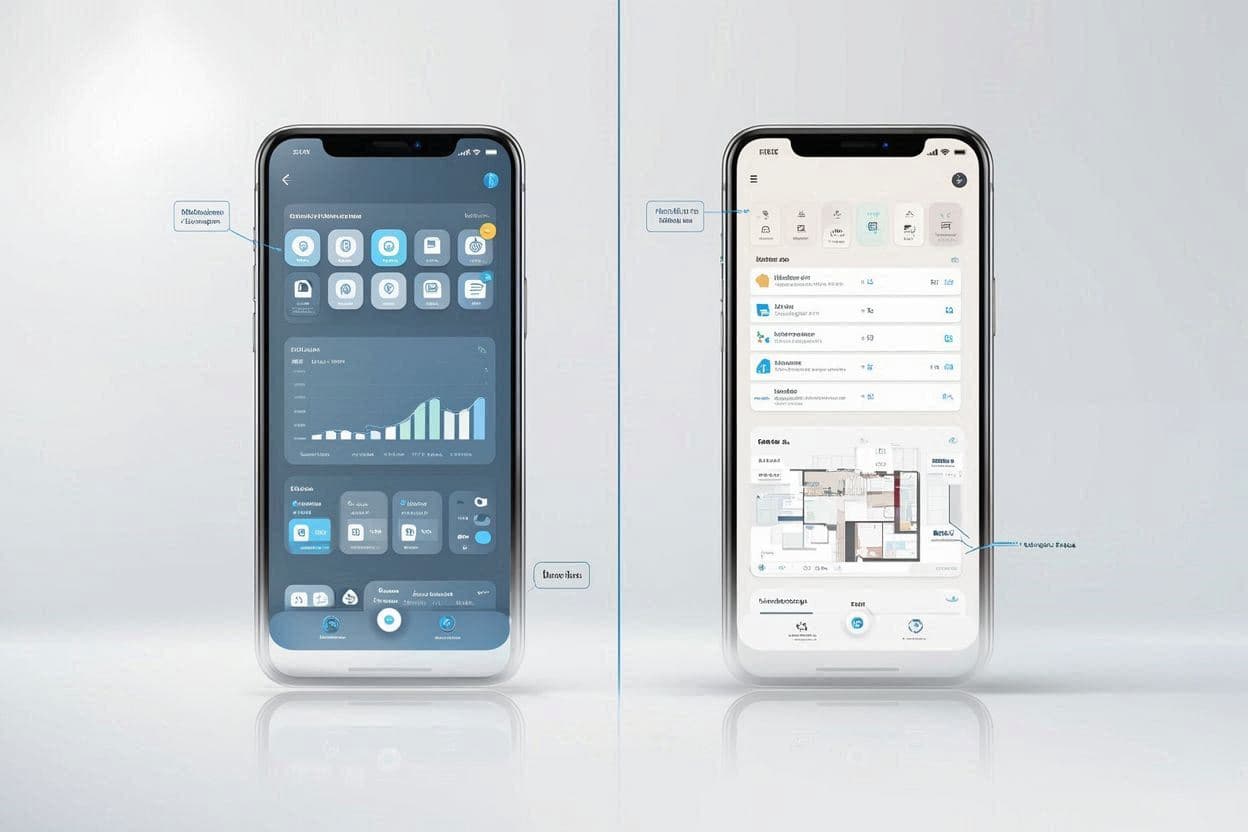
App: A dedicated app that assigns tasks, sends reminders, and tracks completion.
What Good Tracking Looks Like
- Everyone can see what's assigned to whom
- Completion is visible to all
- Recurring tasks automatically reappear
- Nobody has to "manage" others (the system does it)
Accountability Without Nagging
The goal is a system where no one has to remind anyone. The system reminds, and adults are responsible for their commitments.
If someone consistently doesn't do their tasks:
- Have a direct conversation about the system, not the specific task
- Ask if the distribution is fair
- Discuss whether the task can be traded for another
- Consider hiring help for tasks no one will do
Using Recurring Task Apps
Paper systems work but require manual reset. Digital task apps with recurring task features solve this:
Benefits of Digital Chore Tracking
- Automatic recurrence: Daily, weekly, monthly tasks regenerate without manual entry
- Reminders: Push notifications when tasks are due
- Shared visibility: Everyone sees the full picture
- History: Track what was completed and when
- Flexibility: Easy to reassign or reschedule
What to Look for in a Task App
- Recurring task support (daily, weekly, monthly patterns)
- Shared access for all family members
- Simple completion tracking
- Reminder notifications
- Not overly complex (complexity kills adoption)
How Victualia Manages Household Tasks
Victualia includes built-in task management designed for households:
Shared Task Lists
Create tasks visible to everyone in your home:
- Each household member can add, complete, and view tasks
- No separate logins or accounts to manage
- Real-time sync across all devices
Subtasks for Complex Chores
Break big tasks into steps:
- "Clean bathroom" becomes a parent task
- Subtasks: clean toilet, clean shower, wipe sink, mop floor
- Check off steps individually, complete the parent when done
Drag-and-Drop Organization
Prioritize and reorganize tasks easily:
- Drag tasks to reorder by priority
- Nest tasks under parent tasks
- Completed tasks automatically move to the bottom
Timeline Integration
For scheduled and recurring tasks, Victualia's Timeline feature handles:
- One-time events (appointment, delivery)
- Recurring events (weekly cleaning, monthly maintenance)
- Reminders before tasks are due
- Email parsing for automatic event creation
Creating Your Household Chore Schedule
Here's how to build your system from scratch:
Step 1: List All Tasks
Use the lists above as a starting point. Add any tasks specific to your household (pool maintenance, pet-specific needs, etc.).
Step 2: Assign Frequency
Determine how often each task actually needs to happen in your home. Some households need daily floor sweeping; others can go weekly.
Step 3: Estimate Time
Be realistic about how long tasks take. This prevents over-committing and ensures fair distribution.
Step 4: Divide and Assign
Use one of the strategies above to divide tasks among household members. Get buy-in from everyone.
Step 5: Set Up Tracking
Choose your method (whiteboard, app, spreadsheet) and set it up. Enter recurring tasks.
Step 6: Start Small
Don't overhaul everything at once. Start with daily and weekly tasks. Add monthly and seasonal tasks once the basics are working.
Step 7: Review and Adjust
After 2-4 weeks, check in:
- Is the distribution working?
- Are tasks getting done?
- What needs adjustment?
Sample Weekly Chore Schedule
Here's an example for a two-adult household:
Person A
Daily: Morning dishes, make bed, feed pets (AM) Weekly: Vacuum (Saturday), clean bathrooms (Sunday), grocery shopping (Saturday)
Person B
Daily: Evening dishes, kitchen cleanup, feed pets (PM), take out trash Weekly: Laundry (Sunday), dust all rooms (Saturday), meal planning (Friday)
Shared
Weekly: Pick up clutter (ongoing), yard work (as needed)
Total time each: Approximately 3-4 hours per week
Frequently Asked Questions
What if my partner refuses to do their share?
This is a relationship issue, not a chores issue. Have a direct conversation about expectations and fairness. Consider couples counseling if it's a recurring conflict. A chores app can't fix unwillingness, but it can remove the excuse of "I didn't know" or "I forgot."
How do I lower my standards without feeling like I'm giving up?
Distinguish between "clean enough" and "spotless." Most tasks have a good-enough threshold that maintains health and function. Perfection isn't required for dishes, beds, or floors. Save perfectionism for the tasks that really matter to you.
Should kids get paid for chores?
There's no right answer. Some families tie allowance to chores (teaching that work = money). Others give allowance separately and expect chores as family contribution. Either approach works if applied consistently.
How do I handle roommates who don't clean?
Clear expectations upfront are essential. Create a written chore agreement before moving in. If problems arise, address them directly and early. Ultimately, you can't force adults to clean, but you can have consequences (like not renewing the lease).
What if I live alone?
You still benefit from a system. Batch similar tasks together (all cleaning on Saturday). Use recurring reminders so nothing falls through the cracks. And be realistic—living alone means less mess, so adjust frequencies accordingly.
Ready to get your household chores under control? Get started with Victualia and manage your tasks with shared lists and recurring reminders.
Related Articles
- Family Organizer App: The Complete Guide to Running Your Household — See how chore management fits into a complete family organization system with shared calendars, shopping lists, and meal planning.