How to Reduce Food Waste at Home: 15 Practical Tips That Actually Work
Learn practical strategies to reduce food waste at home. From smart shopping and proper storage to meal planning and inventory tracking, discover how to waste less food and save money.
The Food Waste Problem
Here's a number that should bother you: the average household throws away approximately 30-40% of the food they buy. That's nearly a third of your grocery budget going straight into the trash.
Globally, about 1.3 billion tons of food is wasted every year. But let's make it personal: for a typical family, that can mean a big chunk of your grocery spend going straight into the trash over the course of a month—and adding up dramatically over a year.
Beyond the financial impact, food waste has serious environmental consequences:
- Food in landfills produces methane, a potent greenhouse gas
- All the water, energy, and resources used to grow that food are wasted
- Transportation emissions for food that's never eaten
The good news? Most household food waste is preventable. It comes down to buying smarter, storing properly, and actually using what you have.
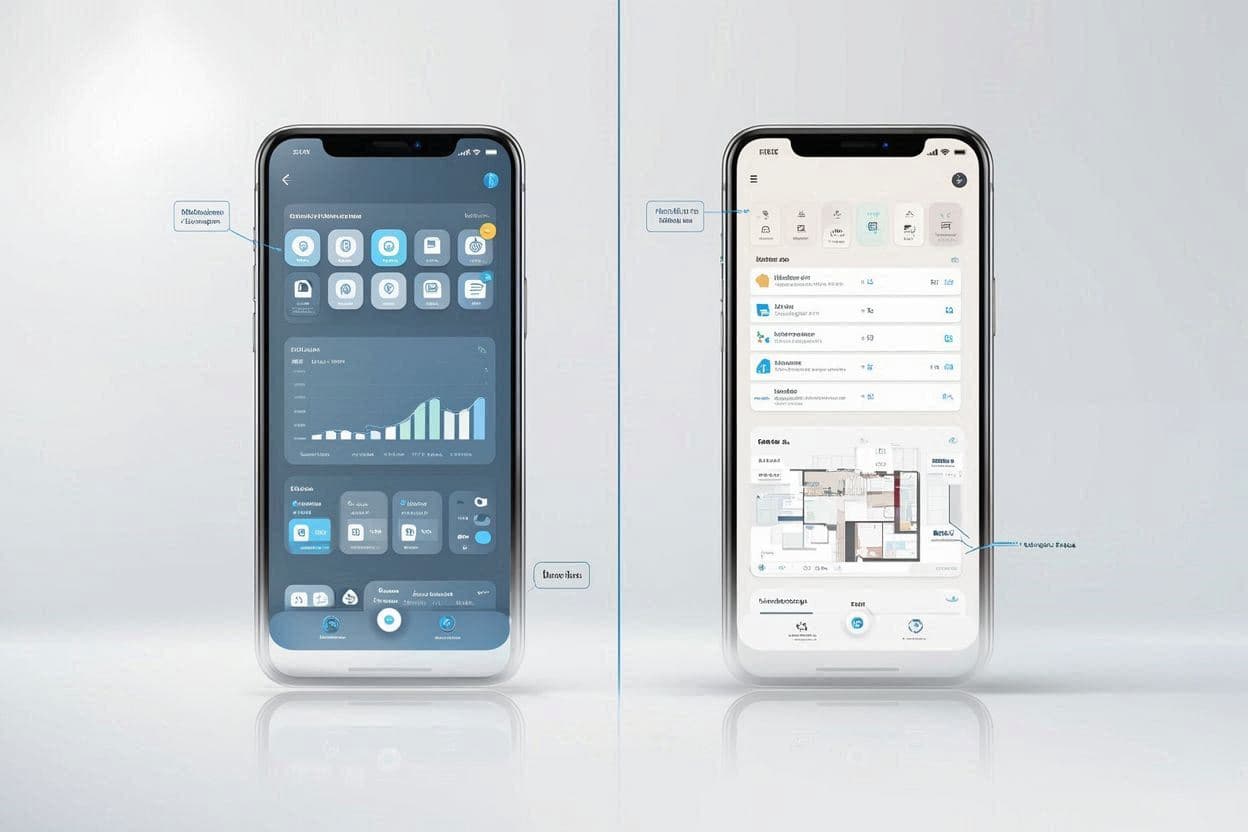
Victualia helps you waste less food by tracking what's in your pantry, alerting you before items expire, and planning meals around ingredients that need to be used. Know exactly what you have, get expiration reminders, and generate shopping lists that account for your current inventory. Get started with Victualia.
Why We Waste Food
Before fixing the problem, it helps to understand why it happens:
Over-Buying
Sales and bulk deals tempt us to buy more than we need. A multi-buy deal is only a deal if you actually use everything you bring home.
Poor Planning
Without a meal plan, we buy ingredients with vague intentions. That bunch of cilantro seemed like a good idea, but it wilted before you figured out what to do with it.
Improper Storage
Storing food incorrectly accelerates spoilage. Tomatoes in the fridge, bananas next to apples, herbs without water—small mistakes with big consequences.
Confusion About Dates
"Best by," "sell by," and "use by" dates confuse people into throwing away perfectly good food. Most are about quality, not safety.
Invisible Inventory
Out of sight, out of mind. Food gets pushed to the back of the fridge or pantry and forgotten until it's too late.
Portion Misjudgment
Cooking more than you'll eat, then not using leftovers, is one of the biggest sources of waste.
15 Practical Tips to Reduce Food Waste
Tip 1: Take Inventory Before Shopping
Before you make a shopping list, know what you already have:
- Check the fridge and note what needs to be used soon
- Look through the pantry for forgotten items
- Check the freezer—there might be proteins or meals ready to use
This simple step prevents buying duplicates and reminds you to use what's expiring.
Tip 2: Make a Meal Plan
Meal planning isn't about rigid schedules—it's about intention. When you know what you'll cook, you buy only what you need.
A simple approach:
- Plan 4-5 dinners for the week
- Build 1-2 meals around ingredients that need to be used
- Leave room for leftovers and flexibility
Even a loose plan dramatically reduces impulse purchases and forgotten ingredients.
Tip 3: Shop Your Fridge First
Before each meal, check what you have. Challenge yourself to use ingredients before buying more:
- "What can I make with this half onion, leftover chicken, and aging vegetables?"
- "These peppers need to be used today—they're going in tonight's dinner."
This mindset shift turns potential waste into meals.
Tip 4: Understand Date Labels
Most date labels are about quality, not safety:
| Label | Meaning | Action |
|---|---|---|
| Sell by | Store's inventory date | Ignore—it's for the store, not you |
| Best by / Best before | Peak quality date | Food is usually fine past this date |
| Use by | Manufacturer's quality estimate | Use soon, but check food yourself |
| Expires on | Actual expiration (rare, usually baby food/formula) | Take seriously |
Trust your senses: look, smell, taste. If food looks and smells fine, it probably is.
Tip 5: Store Food Properly
Proper storage extends food life significantly:
Refrigerator tips:
- Keep the fridge at 35-38°F (1-3°C)
- Store dairy and eggs in the coldest part (not the door)
- Keep vegetables in crisper drawers
- Don't wash produce until ready to use (moisture accelerates decay)
Countertop vs. fridge:
- Countertop: tomatoes, potatoes, onions, bananas, avocados (until ripe)
- Fridge: leafy greens, berries, cut fruit, most vegetables
Pantry tips:
- Store in airtight containers to prevent staleness and pests
- Keep in cool, dark places
- First in, first out—put new items behind old ones
Tip 6: Keep Ethylene Producers Separate
Some fruits release ethylene gas, which ripens (and over-ripens) other produce:
High ethylene producers:
- Apples
- Bananas
- Avocados
- Tomatoes
- Peaches
Ethylene-sensitive items:
- Leafy greens
- Broccoli
- Cucumbers
- Peppers
- Berries
Keep them separate to prevent premature spoilage.
Tip 7: Use Your Freezer Strategically
The freezer is your food-saving ally:
Freeze before it spoils:
- Bread you won't finish in time
- Meat approaching its use-by date
- Ripe bananas (perfect for smoothies later)
- Fresh herbs in olive oil (ice cube trays work great)
- Leftover soups and sauces
Label everything:
- Include the item name and date frozen
- Frozen food is safe indefinitely but quality degrades over time
- Use within 3-6 months for best quality
Tip 8: Embrace Imperfect Produce
Ugly produce is just as nutritious:
- Buy "imperfect" produce options if your store offers them
- Use bruised or overripe fruit in smoothies, baking, or sauces
- Wilted vegetables often revive in ice water or work fine in cooked dishes
That slightly soft apple makes excellent applesauce.
Tip 9: Practice FIFO (First In, First Out)
Organize your fridge and pantry so older items are in front:
- When unpacking groceries, move older items forward
- Put new items in the back
- This simple habit ensures you use things before they expire
Tip 10: Cook Appropriate Portions
Cooking too much leads to waste if you won't eat leftovers:
- Use portion guides (a serving of pasta is 2 oz dry, smaller than you think)
- Start with less—you can always make more
- When in doubt, cook less
If you do make extra, have a plan for leftovers (see Tip 12).
Tip 11: Repurpose Scraps
Many "scraps" are actually useful:
| Scrap | Use |
|---|---|
| Vegetable ends and peels | Make vegetable broth (freeze until you have enough) |
| Stale bread | Breadcrumbs, croutons, bread pudding |
| Overripe bananas | Banana bread, smoothies, frozen treats |
| Citrus peels | Zest before discarding, cleaning solutions |
| Herb stems | Add to stocks, blend into sauces |
| Cheese rinds (hard cheese) | Add to soups for flavor |
| Leftover rice | Fried rice, rice pudding |
Get creative—there's a use for almost everything.
Tip 12: Love Your Leftovers
Leftovers are only wasted if you don't eat them:
Make leftovers appealing:
- Store in clear containers so you see them
- Label with contents and date
- Plan a "leftovers night" each week
- Transform leftovers into new dishes (roast chicken → chicken salad → chicken soup)
Leftover transformation ideas:
- Last night's grilled vegetables → today's frittata or wrap filling
- Excess rice → fried rice with whatever vegetables and protein you have
- Cooked beans → hummus, bean salad, or added to soup
- Roasted meat → tacos, sandwiches, salads, or grain bowls
Tip 13: Track Expiration Dates
You can't use what you forget about. Tracking expiration dates helps:
- Check expiration dates when putting groceries away
- Keep soon-to-expire items visible (front of fridge, designated shelf)
- Use a tracking app to get reminders before food expires
- Do a weekly "fridge audit" to catch items before they go bad
Tip 14: Buy Less, More Often
The European approach: smaller, more frequent shopping trips means:
- Fresher food
- Less spoilage from over-buying
- Better alignment between what you buy and what you'll actually eat
This doesn't work for everyone's schedule, but if you pass a grocery store regularly, consider smaller trips.
Tip 15: Compost What You Can't Use
When waste is unavoidable, composting is better than landfill:
- Food in landfills produces methane; composting doesn't
- Compost creates useful soil amendment
- Many cities now offer curbside composting
Even apartment dwellers can compost with countertop systems or community programs.
How Technology Can Help
While good habits are the foundation, technology makes reducing food waste easier:
Inventory Tracking
Apps that track what you have and when it expires:
- Add items when you shop
- Get alerts before food expires
- Always know what's in your fridge and pantry
- No more duplicate purchases
Smart Meal Planning
AI-powered meal planning that considers your inventory:
- Suggests meals based on what you already have
- Prioritizes ingredients expiring soon
- Reduces waste by design
Shopping List Integration
When your meal plan, inventory, and shopping list connect:
- You buy exactly what you need
- No more guessing what's at home
- Lists update automatically as you use items
Expiration Alerts
Push notifications before food expires:
- "Your chicken expires in 2 days—use it soon"
- "Milk expires tomorrow"
- Weekly digest of soon-to-expire items
Measuring Your Progress
How do you know if you're wasting less? Track it:
The Waste Audit
For one week, before throwing away any food:
- Note what you're discarding
- Estimate the cost
- Note why it went bad (forgot about it, made too much, didn't like it)
This audit reveals your waste patterns and biggest opportunities.
Track Your Grocery Spending
If you're wasting less food, your grocery bills should decrease over time (adjusting for price increases). Track spending monthly and look for trends.
Monitor Your Trash
Less food waste = lighter trash bags, fewer trips to the bin, less guilt.
Room-by-Room Guide to Reducing Waste
Refrigerator
- Temperature: Keep at 35-38°F (1-3°C)
- Organization: Oldest items in front, new items in back
- Visibility: Use clear containers; don't overstuff
- Maintenance: Weekly audit to catch expiring items
- Doors: Store condiments here (they're resilient); not dairy or eggs
Freezer
- Label everything: Name and date
- Organize by type: Proteins together, vegetables together, ready meals together
- Rotate stock: Use older items first
- Don't overpack: Air circulation matters for proper freezing
- Defrost regularly: Frost buildup reduces efficiency
Pantry
- Decant into containers: Easier to see quantities
- Group by type: Grains together, canned goods together
- Check dates: Pantry items expire too
- FIFO system: First in, first out
- Cool and dark: Heat and light degrade food faster
Countertop
- Only what belongs there: Tomatoes, bananas, potatoes, onions, garlic, avocados (until ripe)
- Fruit bowl maintenance: Remove overripe items before they affect others
- Keep produce visible: A beautiful fruit bowl encourages eating, not forgetting
Building Habits That Stick
Reducing food waste isn't a one-time effort—it's ongoing habits:
Daily
- Check the fridge before cooking (shop your fridge first)
- Store leftovers properly, labeled and visible
Weekly
- Meal plan before shopping
- Inventory check before making a shopping list
- Fridge audit to catch expiring items
- One "use it up" meal with whatever needs to be eaten
Monthly
- Freezer inventory and rotation
- Pantry organization and date check
- Review what you've been wasting and adjust habits
Mindset Shift
Think of food waste as throwing away money—because it is. A container of berries that goes moldy, or produce that wilts before you cook it, is literally value you bought and never used.
When you frame it as money, the motivation to change becomes stronger.
How Victualia Helps Reduce Food Waste
Victualia was designed with food waste reduction as a core goal:
Pantry Inventory
Track everything you have:
- Add items when shopping (manual entry on web, or barcode scan in the iOS/Android apps)
- Set expiration dates and get alerts before food goes bad
- See running-low items to buy before you run out
- Know exactly what's in your fridge, freezer, and pantry
Smart Meal Planning
AI-powered meal plans that prioritize your inventory:
- Suggests recipes using ingredients you already have
- Prioritizes items expiring soon
- Reduces waste by designing meals around what needs to be used
Shopping Lists That Make Sense
Lists generated from your meal plan, minus what you already have:
- No duplicate purchases
- Buy only what you'll actually use
- Real-time sync with family members
Expiration Tracking
Never forget about expiring food:
- Visual dashboard of what's expiring soon
- Push notifications before items go bad
- Weekly "running low" and "expiring soon" summaries
Frequently Asked Questions
How much money can I actually save by reducing food waste?
If you're average, you're wasting 30-40% of food purchases. Cutting that in half can make a meaningful difference for a family, depending on your grocery habits.
What foods are wasted most often?
Produce is the biggest category—fruits and vegetables spoil quickly and are often bought with good intentions but not used. Bread, dairy, and leftovers are also commonly wasted.
Is it safe to eat food past its "best by" date?
Usually, yes. "Best by" indicates peak quality, not safety. Trust your senses—if it looks, smells, and tastes fine, it's probably safe. The exception is baby formula and some medications, where dates are strict.
What's the most impactful single change I can make?
Meal planning. It addresses multiple causes of waste: you buy what you need, you use what you buy, and you have a plan for ingredients before they expire.
Does composting really make a difference?
Yes. Food in landfills produces methane (a powerful greenhouse gas) because it decomposes without oxygen. Composting decomposes food with oxygen, producing carbon dioxide instead—far less harmful. Plus, you get useful compost.
Ready to stop wasting food and money? Get started with Victualia and track your pantry, get expiration alerts, and plan meals that use what you have.
Related Articles
- Pantry Inventory App – Track everything in your pantry, fridge, and freezer with expiration alerts.
- Weekly Meal Planner – Plan meals around what you have and what's expiring soon.
- Recipe Organizer App – Find recipes that use ingredients you already have at home.