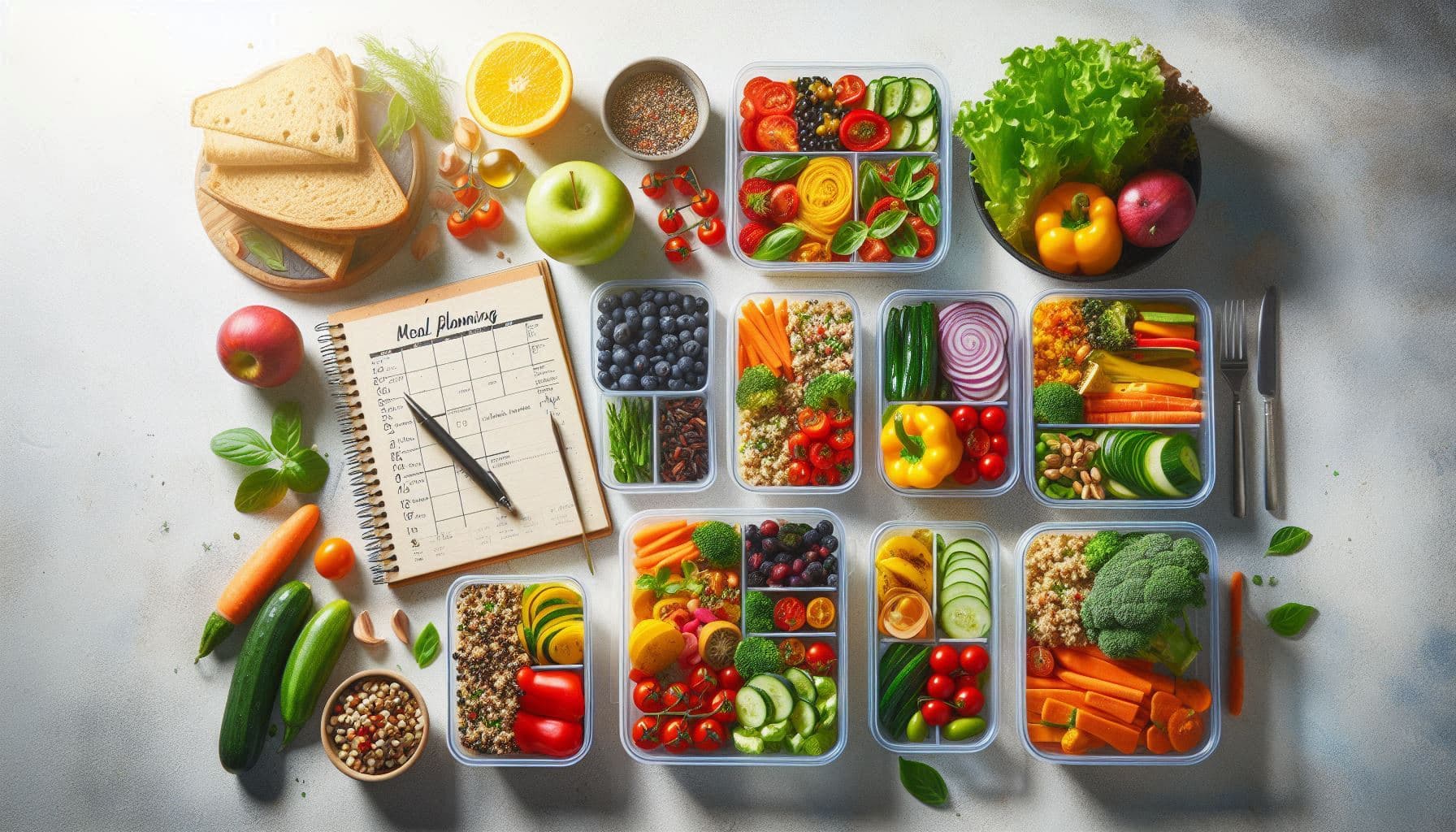
Weekly Meal Planner: How to Plan 7 Days of Meals in 15 Minutes
Master weekly meal planning with templates, real examples, and AI tools. Learn how a weekly meal planner saves time, money, and eliminates the daily 'what's for dinner?' stress.
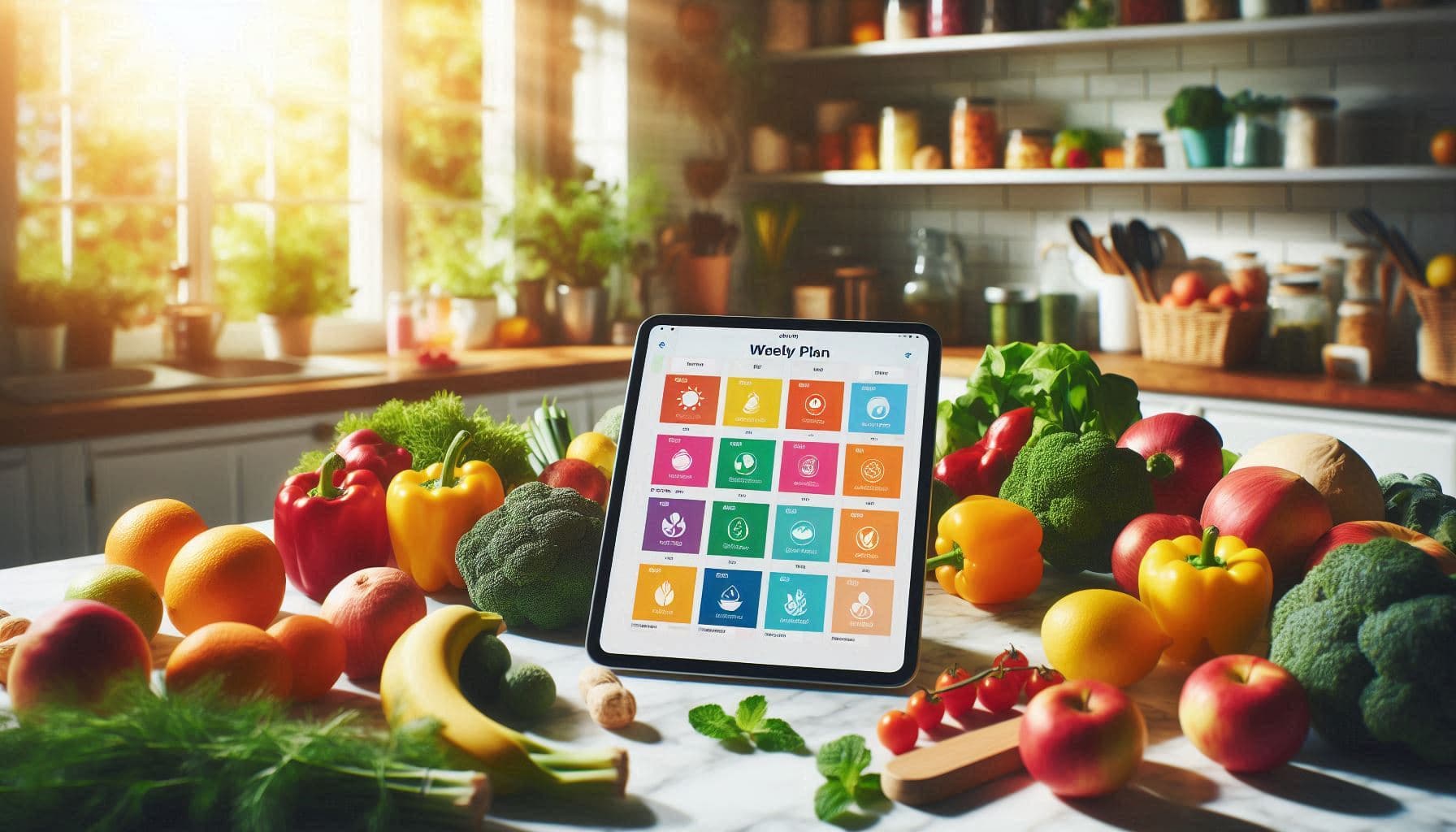
Why Weekly Planning Works Better Than Daily
Planning meals day-by-day seems easier. It's not. Here's why weekly planning is the better approach:
Daily planning means daily decisions. Every single day, you face the same question: "What should we eat tonight?" That's 365 decisions per year for dinner alone. Decision fatigue is real, and it leads to takeout, unhealthy choices, and wasted food.
Weekly planning means one decision session. Spend 15-20 minutes once a week, and you're done. No more 5 PM panic. No more staring into the fridge hoping inspiration strikes.
The math is simple:
| Approach | Time Spent Deciding |
|---|---|
| Daily planning | 10 min/day × 7 = 70 min/week |
| Weekly planning | 15-20 min once per week |
That's nearly an hour saved every week—plus the mental energy you reclaim.
The 7-Day Meal Planning Framework
A good weekly meal plan isn't about filling seven dinner slots. It's about creating a realistic, flexible plan that accounts for how life actually works.
The 5-1-1 Rule
Instead of planning all seven days rigidly, use this framework:
- 5 planned dinners: Meals you'll actually cook
- 1 leftover night: Eat what's left from earlier in the week
- 1 flex night: Takeout, eating out, or "fridge surprise"
This framework acknowledges reality. You won't cook every night. Leftovers happen. Plans change. Building flexibility in from the start means your meal plan survives contact with real life.
Balancing Your Week
Distribute effort across the week strategically:
Monday: Medium-effort meal. You're fresh from the weekend but easing into the week.
Tuesday-Wednesday: Quick meals. These are often the busiest days—stick to 20-30 minute recipes.
Thursday: Quick or leftover night. Energy is low. Keep it simple.
Friday: Flex night. Many families eat out, order in, or do something special.
Saturday: Project meal (optional). If you enjoy cooking, this is the day for something more involved.
Sunday: Prep-friendly meal. Cook something that yields leftovers for Monday lunch or a head start on the week.
Weekly Meal Planner Templates
Template 1: Family-Friendly Week
Perfect for households with kids or picky eaters:
| Day | Dinner | Notes |
|---|---|---|
| Monday | Chicken stir-fry with rice | Quick, customizable with veggies |
| Tuesday | Taco night | Everyone builds their own |
| Wednesday | Pasta with meat sauce | Kid favorite, makes great leftovers |
| Thursday | Leftovers | Clear the fridge |
| Friday | Homemade pizza | Fun family activity |
| Saturday | Grilled burgers | Easy outdoor cooking |
| Sunday | Slow cooker pot roast | Prep in morning, ready by dinner |
Template 2: Health-Focused Week
Emphasizes vegetables, lean proteins, and whole grains:
| Day | Dinner | Notes |
|---|---|---|
| Monday | Grilled salmon with quinoa and roasted vegetables | Omega-3s to start the week |
| Tuesday | Turkey lettuce wraps | Light and protein-rich |
| Wednesday | Vegetable curry with brown rice | Meatless Wednesday |
| Thursday | Chicken and vegetable sheet pan | Minimal cleanup |
| Friday | Flex night | — |
| Saturday | Shrimp stir-fry with vegetables | Quick and healthy |
| Sunday | Lean beef with sweet potato | Prep extra sweet potatoes for the week |
Template 3: Budget-Conscious Week
Maximizes value with affordable proteins and pantry staples:
| Day | Dinner | Notes |
|---|---|---|
| Monday | Black bean tacos | Beans are cheap and filling |
| Tuesday | Egg fried rice | Uses leftover rice, cheap protein |
| Wednesday | Chicken thigh bake with potatoes | Thighs are cheaper than breasts |
| Thursday | Pasta e fagioli (pasta and beans) | Hearty and inexpensive |
| Friday | Leftovers buffet | Use everything up |
| Saturday | Homemade soup with bread | Stretch ingredients further |
| Sunday | Whole roasted chicken | One chicken = multiple meals |
How to Create Your Weekly Meal Plan
Step 1: Check Your Calendar (2 minutes)
Before picking any meals, look at your week:
- Which nights are busy? (Sports, meetings, late work)
- Any events that affect dinner? (Eating out, guests coming)
- Who's home which nights?
Mark busy nights for quick meals or flex nights. Mark light nights for anything more involved.
Step 2: Inventory Check (3 minutes)
Quick scan of what you have:
- Freezer: What proteins are available?
- Fridge: What needs to be used soon?
- Pantry: Any staples running low?
Build at least 1-2 meals around what you already have. This reduces waste and shortens your shopping list.
Step 3: Pick Your Meals (5 minutes)
Fill in your seven days using the 5-1-1 framework:
- Assign flex night first (usually Friday or Saturday)
- Assign leftover night (usually Thursday)
- Fill remaining five slots with meals
Pro tip: Keep a "rotation list" of 15-20 proven family favorites. When you're stuck, just pick from the list instead of searching for new recipes.
Step 4: Generate Shopping List (5 minutes)
Go through each planned meal and list needed ingredients. Cross off what you already have from Step 2.
Pro tip: Group items by store section to make shopping faster.
Total time: ~15 minutes.
Common Weekly Planning Mistakes
Planning Too Ambitiously
Your weekly meal plan isn't a cooking challenge. Include simple meals. A rotation of chicken + vegetable + starch prepared different ways is perfectly fine.
Fix: Aim for 2-3 "exciting" meals and 2-3 reliable basics each week.
Ignoring What You Have
Planning without checking your fridge leads to buying duplicates and wasting what you already own.
Fix: Always start with inventory. Plan at least one meal around ingredients that need to be used.
No Flexibility Built In
Plans that require cooking all seven nights will fail. Something will come up.
Fix: Use the 5-1-1 framework. Leftover and flex nights are features, not failures.
Forgetting Lunch
Dinner gets all the attention, but lunch is where many people struggle—especially if working from home.
Fix: Plan dinners that make good next-day lunches, or batch-prep a lunch option on Sunday.
Weekly Meal Planner Tools
Paper Planners
Pros: Simple, no technology needed, satisfying to write by hand Cons: Can't auto-generate shopping lists, easy to lose, no recipe storage
Best for: People who prefer analog systems and already have go-to recipes memorized.
Spreadsheets
Pros: Flexible, easy to copy and modify, shareable Cons: Manual shopping list creation, no recipe integration
Best for: People who like customization and already use Google Sheets or Excel regularly.
Dedicated Apps
Pros: Recipe storage, automatic shopping lists, inventory tracking, family sharing, AI suggestions Cons: Learning curve, subscription costs for premium features
Best for: Families who want an integrated system that handles planning, recipes, and shopping in one place.
How AI Weekly Meal Planners Work
Modern AI meal planners take weekly planning to another level. Instead of manually selecting meals, you describe what you want and AI generates a complete plan.
What You Tell the AI
- Dietary preferences and restrictions
- How many people you're feeding
- Which days need quick vs. elaborate meals
- Ingredients you want to use up
- Cuisines you enjoy
What AI Generates
- A complete 7-day meal plan
- Recipes for each meal
- A consolidated shopping list
- Suggestions based on what's in your pantry
The Advantage
AI considers factors that are tedious to track manually:
- Ingredient overlap: Uses the same vegetable across multiple meals so nothing goes to waste
- Variety: Ensures you're not eating chicken five nights in a row
- Nutritional balance: Mixes proteins, vegetables, and cooking methods
- Your history: Learns what you actually cook and like
Connecting Weekly Plans to Shopping
The power of weekly meal planning multiplies when connected to your shopping list and pantry inventory.
Without Integration
- Plan meals for the week
- Write down ingredients needed
- Check what you have
- Cross off items
- Go shopping
- Realize you forgot something
- Make another trip
With Integration
- Plan meals for the week (or let AI do it)
- App automatically generates shopping list minus what you have
- Share list with whoever's shopping
- Check items off in store
- Purchased items update your inventory
The second workflow eliminates manual list-making, reduces forgotten items, and keeps your inventory accurate automatically.
Weekly Meal Planning for Different Households
For Couples
- Smaller portions mean more variety is possible
- Can try more adventurous recipes
- Coordinate who cooks which nights
- Leftovers often become lunch
For Families with Kids
- Include at least 2-3 kid-approved meals per week
- Build-your-own meals (tacos, pizza, grain bowls) please everyone
- Involve kids in choosing one meal per week
- Prep vegetables in advance for faster weeknight cooking
For Single-Person Households
- Scale recipes down or embrace leftovers intentionally
- Batch cook on weekends for easy weeknight reheating
- Freeze portions for variety without cooking daily
- Plan meals that use similar ingredients to reduce waste
For Busy Professionals
- Emphasize quick meals (under 30 minutes)
- Meal prep on Sundays for grab-and-go lunches
- Use slow cooker or Instant Pot for "set and forget" dinners
- Stock easy backup meals (pasta, eggs, frozen options)
Saving Time with Batch Cooking
Weekly meal planning enables batch cooking—preparing components in advance that speed up multiple meals:
Proteins
Cook a large batch of chicken breasts on Sunday. Use throughout the week:
- Monday: Chicken stir-fry
- Tuesday: Chicken salad for lunch
- Wednesday: Chicken tacos
- Thursday: Chicken soup
Grains
Make a big pot of rice or quinoa. Refrigerate and use for:
- Stir-fries
- Grain bowls
- Fried rice
- Side dishes
Vegetables
Wash, chop, and store vegetables for the week:
- Onions and garlic: Pre-mince for quick cooking
- Bell peppers: Slice for fajitas, stir-fries, salads
- Broccoli/cauliflower: Cut into florets for roasting or steaming
Sauces and Dressings
Homemade sauces keep well and elevate simple meals:
- Vinaigrette for salads all week
- Stir-fry sauce for quick dinners
- Marinades for proteins
When Your Weekly Plan Falls Apart
Even the best plan needs flexibility. Here's how to adapt:
Swap Days
Planned salmon on Wednesday but don't feel like it? Swap with Friday's pasta. The plan survives; only the order changes.
Ingredient Substitution
Missing an ingredient? Most recipes tolerate swaps:
- Chicken → turkey, pork, tofu
- One vegetable → another similar vegetable
- Fresh herbs → dried (use 1/3 the amount)
The Emergency Meal
Keep ingredients for 2-3 "emergency" meals that require no planning:
- Pasta with olive oil and parmesan
- Eggs and toast
- Quesadillas
- Rice and beans
When the plan fails completely, these save dinner without a grocery run.
Reset, Don't Abandon
Missed most of the week's plan? Don't wait until next week to try again. Reset mid-week with a shorter 3-4 day plan.
Getting Started with Victualia
Ready to simplify your weekly meal planning? Victualia makes it effortless:
- Tell AI your preferences: Dietary needs, family size, schedule
- Generate a weekly plan: AI creates a balanced 7-day meal plan
- Customize as needed: Swap meals, adjust portions, add favorites
- Get your shopping list: Automatically generated, minus what you already have
- Track your pantry: Keep inventory updated so future plans get smarter
Start your first weekly meal plan today at victualia.app.
Frequently Asked Questions
How long does a weekly meal plan take to create?
With practice, 15-20 minutes. Using an AI meal planner can reduce this to under 5 minutes since the AI generates suggestions you simply approve or modify.
Should I plan breakfast and lunch too?
Start with dinners only. Once that's routine, add lunches. Breakfast is often repetitive enough that it doesn't need weekly planning.
What if someone doesn't like a planned meal?
Build in flexibility. Include one or two "build your own" meals (tacos, grain bowls) where picky eaters can customize. For kids, keep a few backup options available.
How do I handle weekly meal planning on a tight budget?
Plan around sales and seasonal produce. Use cheaper proteins (chicken thighs, eggs, beans). Build multiple meals from one ingredient (whole chicken → roast dinner → chicken salad → chicken soup). Planning actually saves money by reducing waste and impulse purchases.
Can I repeat the same meal plan every week?
Yes, but most people prefer some variety. A good approach: create 3-4 different weekly templates and rotate through them monthly.
Stop deciding what's for dinner every single night. Get started with Victualia and plan your whole week in minutes.